Enzyme additive for soil amendment formulation
Soil amendment manufacturers work with variable raw materials: compost extracts, humic fractions, plant meals, mineral carriers, molasses streams, microbial broths, and organic fertilizer bases. Enzymesportal helps convert that variability into a more controlled formulation process.
As an enzyme supplier for biofertilizer manufacturing, we support producers that need enzyme additives for organic fertilizer blends, humic products, compost-derived amendments, and microbial-supporting inputs. Our focus is practical: better substrate conversion, more predictable viscosity, easier downstream handling, and formulation compatibility with living biology.
We supply soil-amendment and organic fertilizer manufacturers, formulators, and the distributors and resellers who sell their products.
Wholesale and bulk supply for manufacturers and resellers. Send the product or enzyme type, your quantity and the destination country. Request a quote
Matching protease to the soil your product is sold for
A protease in a soil amendment is chosen by the pH of the soil it will work in, not by a single "best" grade. Proteases come in three classes, and each has its own working pH window and its own soil match:
| Protease class | Enzyme working pH | Soil pH it suits |
|---|---|---|
| Acid protease | 2.0-5.0 | 3.0-5.5 |
| Neutral protease | 6.0-7.5 | 6.5-7.5 |
| Alkaline protease | 9.0-11.0 | 8.0-11.0 |
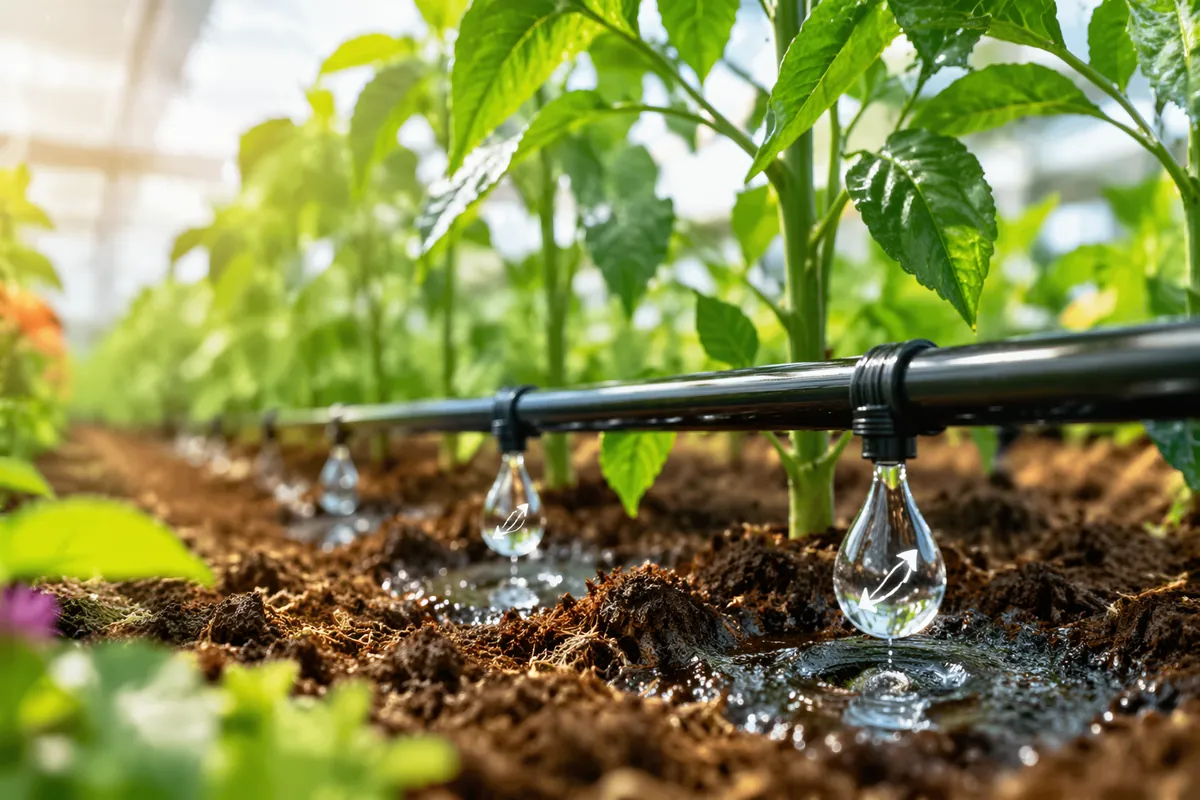
The alkaline protease has its optimum temperature at 50-60 °C. One product approach is a soil enzyme kit that blends acid, neutral and alkaline protease, so a single SKU can raise native soil protease activity and nitrogen cycling across different farms. The goal is stronger mineralization of soil organic nitrogen and less dependence on chemical fertilizer. A common mistake is shipping one protease grade into acidic and alkaline markets alike.
Enzyme plus microbe kits
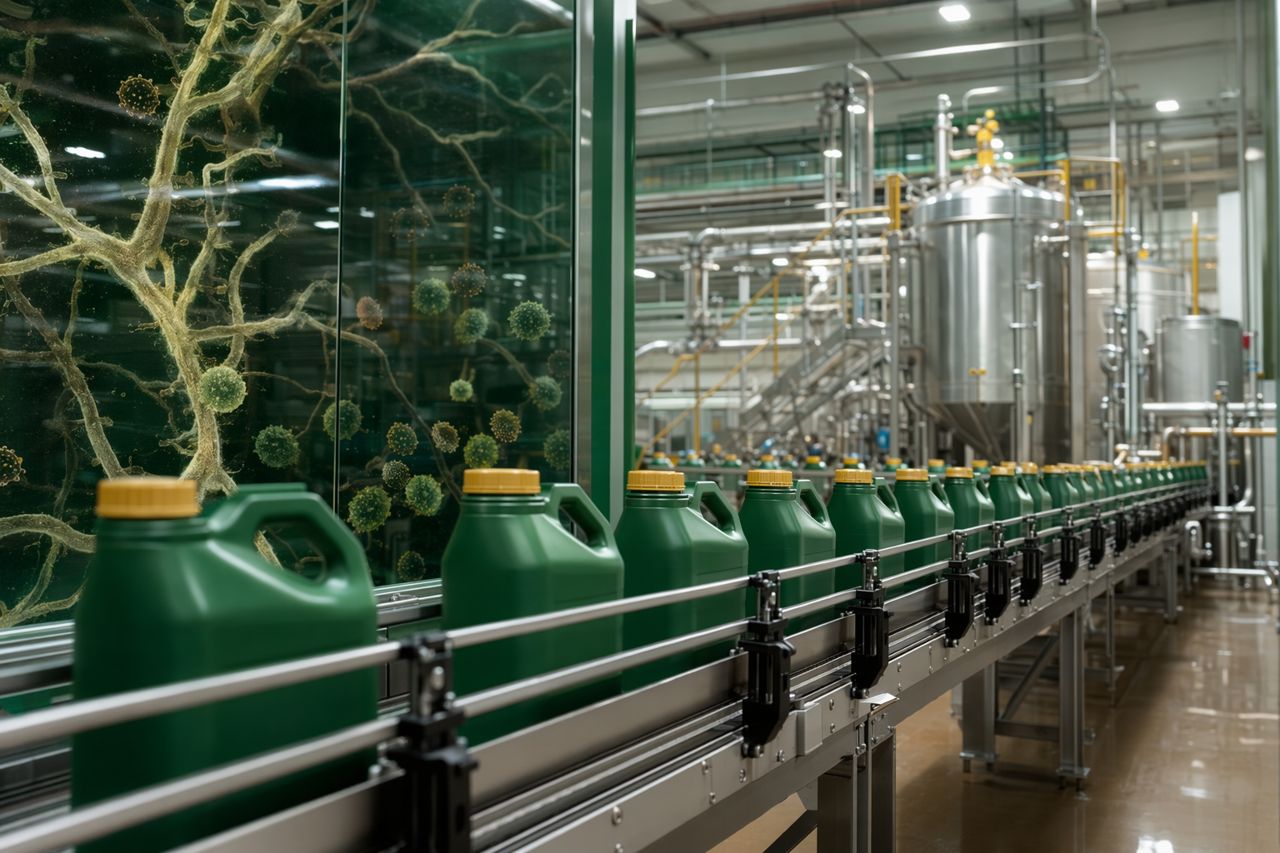
Another format pairs enzymes with live microbes in one kit: superoxide dismutase (SOD) and cellulase combined with a nitrogen-fixing bacteria consortium. It suits a seasonal soil-amendment pack or a foliar spray pack. The buyers are organic and green-farming operations that want to cut chemical fertilizer use. The outcomes these buyers look for are better crop stress resistance, improved soil structure, faster organic-matter decomposition and better fruit and vegetable quality. If you build a kit like this, the cellulase and the bacteria must be tested together, because the enzyme step must not harm the organisms you sell.
Where enzymes fit in soil amendment production
Enzymes can be used as functional processing and formulation aids across several soil input formats:
- Organic fertilizer liquids and suspensions
- Humic and fulvic acid blends
- Compost tea concentrates and compost-derived extracts
- Microbial-supporting nutrient packages
- Carrier-treated powders and granules
- Plant, seaweed, grain, or molasses-based amendments
- Blends designed to support rhizosphere performance
The right enzyme system depends on the substrate, pH window, process temperature, hold time, microbial compatibility, and the physical format you need to ship.
Built for plant-floor realities
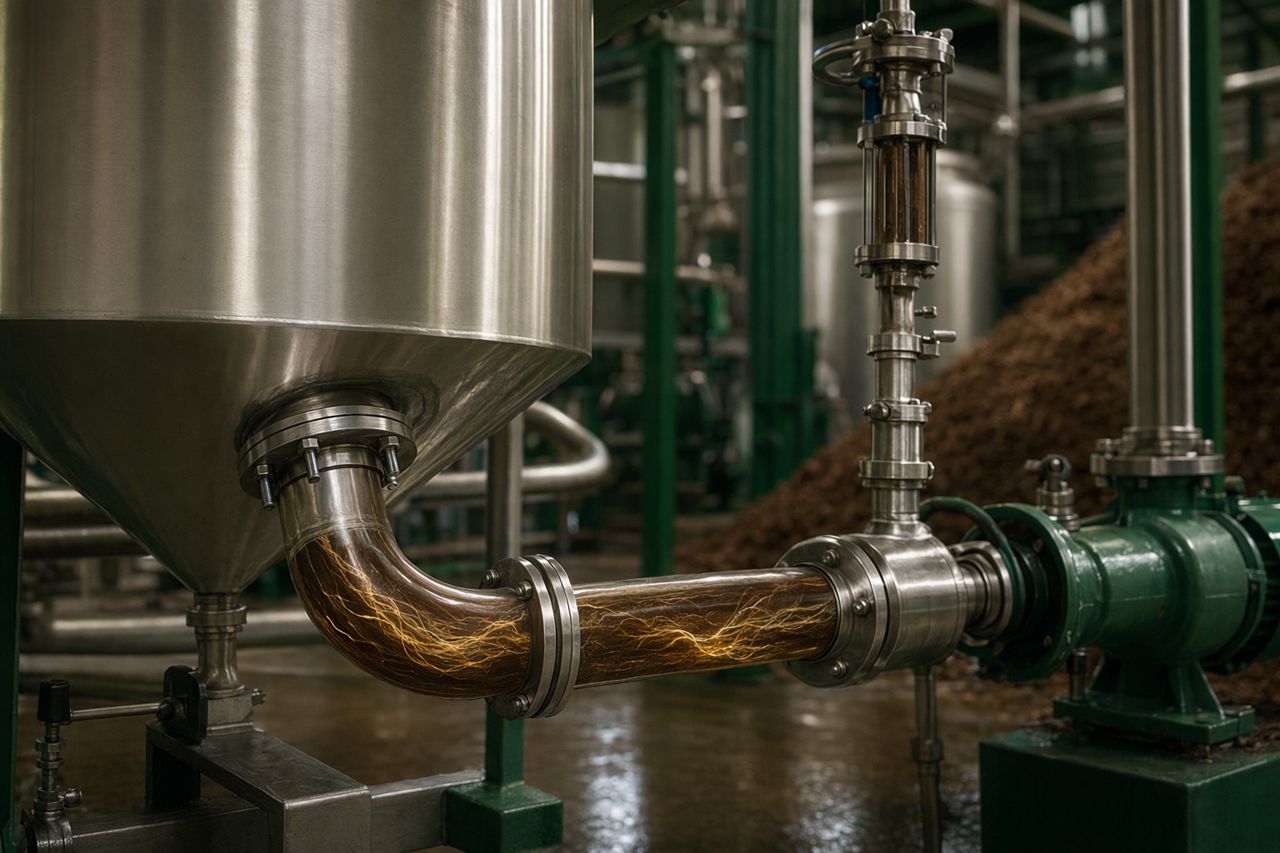
A soil amendment formula may look stable in a lab jar and still create problems in production. Enzymesportal evaluates enzyme fit with the manufacturing steps that matter to plant managers:
Substrate conversion
Complex plant-derived inputs, compost fractions, and carbohydrate-rich streams can create inconsistent solids behavior and nutrient release profiles. Enzyme additives can help break down selected substrate fractions into a more manageable formulation base.
Viscosity and flow control
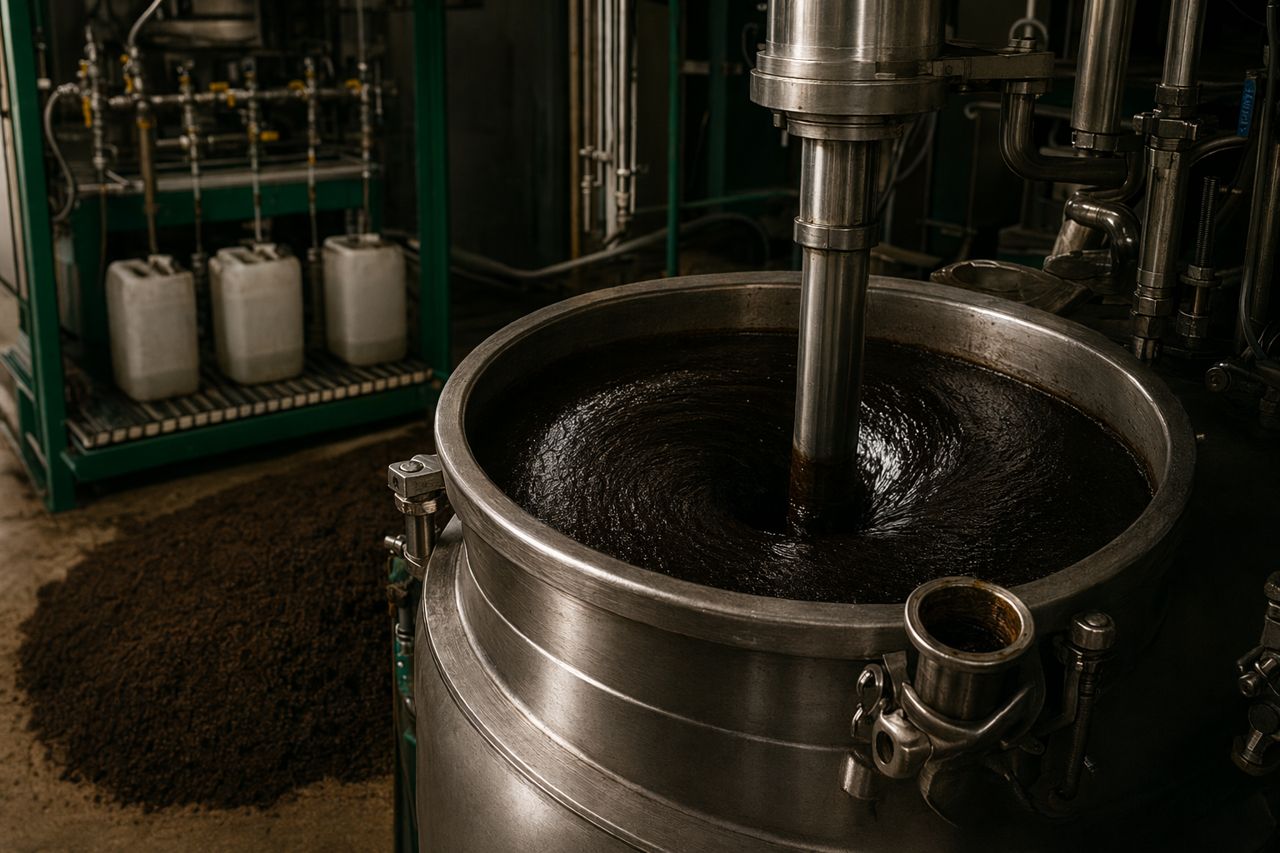
High-viscosity organic inputs can slow transfer, mixing, filtration, and filling. Enzyme selection can support better pumpability and more predictable batch movement without forcing a complete reformulation.
Downstream handling
For liquid amendments, downstream handling often depends on solids behavior, settling tendency, foam profile, and compatibility with tanks, screens, and filling equipment. For dry or carrier-based products, the goal may be even distribution and reduced clumping risk.
Organism viability
Many soil amendment products are paired with beneficial bacteria, fungi, or spore-forming cultures. We help screen enzyme options with attention to compatibility, timing of addition, and process conditions that protect organism viability.
Enzyme solutions for common amendment substrates
Enzymesportal supports formulation work involving plant and soil-derived feedstocks, including:
- Humic-rich organic matter
- Compost extracts and hydrolysates
- Plant meals and botanical residues
- Seaweed and algae-derived inputs
- Starch-containing agricultural byproducts
- Molasses and sugar-rich fermentation supports
- Cellulosic and hemicellulosic fibers
- Protein-containing organic nitrogen sources
We do not treat enzymes as generic additives. We help match enzyme class, process position, and formulation format to the amendment you are actually producing.
Why biofertilizer manufacturers choose Enzymesportal
Biofertilizer and soil amendment producers need suppliers who understand that formulation success is measured beyond a single technical sheet. A useful enzyme ingredient must arrive consistently, behave predictably in batch production, and fit purchasing requirements.
Enzymesportal provides:
- Production-aware enzyme selection
- Support for liquid, powder, suspension, and carrier-based products
- Batch-to-batch supply consistency
- Formulation discussion for microbial-supporting products
- Practical guidance for addition sequence and process placement
- Documentation support for B2B procurement and quality review
- Reliable communication for scale-up and repeat ordering
Typical formulation objectives
Customers come to us when they need to improve one or more of the following:
- Reduce batch variability from organic raw materials
- Improve conversion of selected plant-derived substrates
- Support smoother mixing and tank turnover
- Reduce handling issues in concentrated liquid amendments
- Improve consistency before microbial inoculation or blending
- Support compatible formulation around beneficial organisms
- Create a more stable production pathway for commercial scale
A supplier relationship for repeat manufacturing
A good enzyme additive program should not create extra uncertainty. Enzymesportal works with manufacturers that need dependable supply, clear specifications, and direct technical discussion before purchasing.
Tell us your substrate base, product format, process conditions, and batch goals. We will recommend an enzyme approach suitable for your soil amendment formulation and quote against your commercial needs.
Request a quote
Looking for an enzyme additive for a soil amendment, organic fertilizer, humic product, compost-derived input, or microbial-supporting formulation?
Use the inquiry form on this page and share:
- Product type and target format
- Main substrate or raw material base
- Current production challenge
- Quantity per order or per month
- Any microbial compatibility requirements
- Destination country and any documents you need
Pack size, documents and delivery terms are quoted per order.