Biofertilizer export growth is rarely blocked by one document. More often, it is slowed by small production gaps that become visible during distributor review: label language that does not match batch records, shelf-life claims that are not supported by storage behavior, or carrier systems that perform well locally but struggle through longer logistics routes.
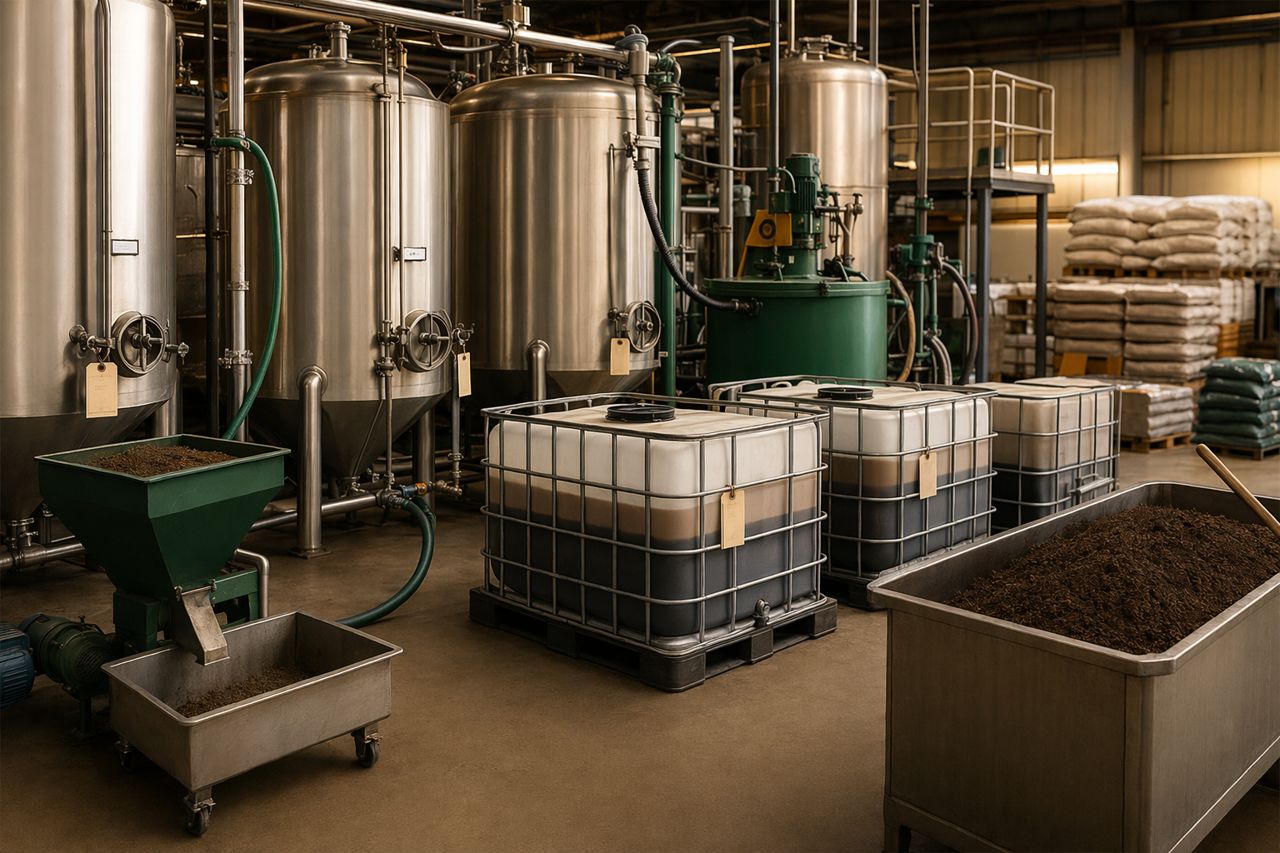
For a biofertilizer manufacturer, export readiness is a plant-floor discipline. The label is only the final expression of decisions made in substrate preparation, fermentation support, enzyme-assisted conversion, carrier blending, packaging, and warehouse control.
Rootwake Bioprocess works as an enzyme supplier for biofertilizer manufacturing where batch consistency, substrate conversion, downstream handling, organism viability, and dependable supply all matter to commercial scale-up.
Export readiness starts before the label draft
A distributor may ask for product identity, organism type, guaranteed count or viability basis, application rate, compatibility notes, storage conditions, country-specific label language, and shelf-life support. Those requests feel administrative, but the answers come from production.
Before committing to a new export-facing label, review whether your plant can repeatedly support the claim under realistic batch and logistics conditions.
Check the production-to-label chain
- Organism identity: Confirm the commercial strain or organism group is consistently represented across batch records, technical sheets, and label drafts.
- Carrier system: Make sure the carrier supports storage, flowability, mixing behavior, and the application method expected by the distributor.
- Nutrient and substrate conversion: Review whether enzyme-supported processing improves consistency in the feedstock or fermentation-support materials used before final formulation.
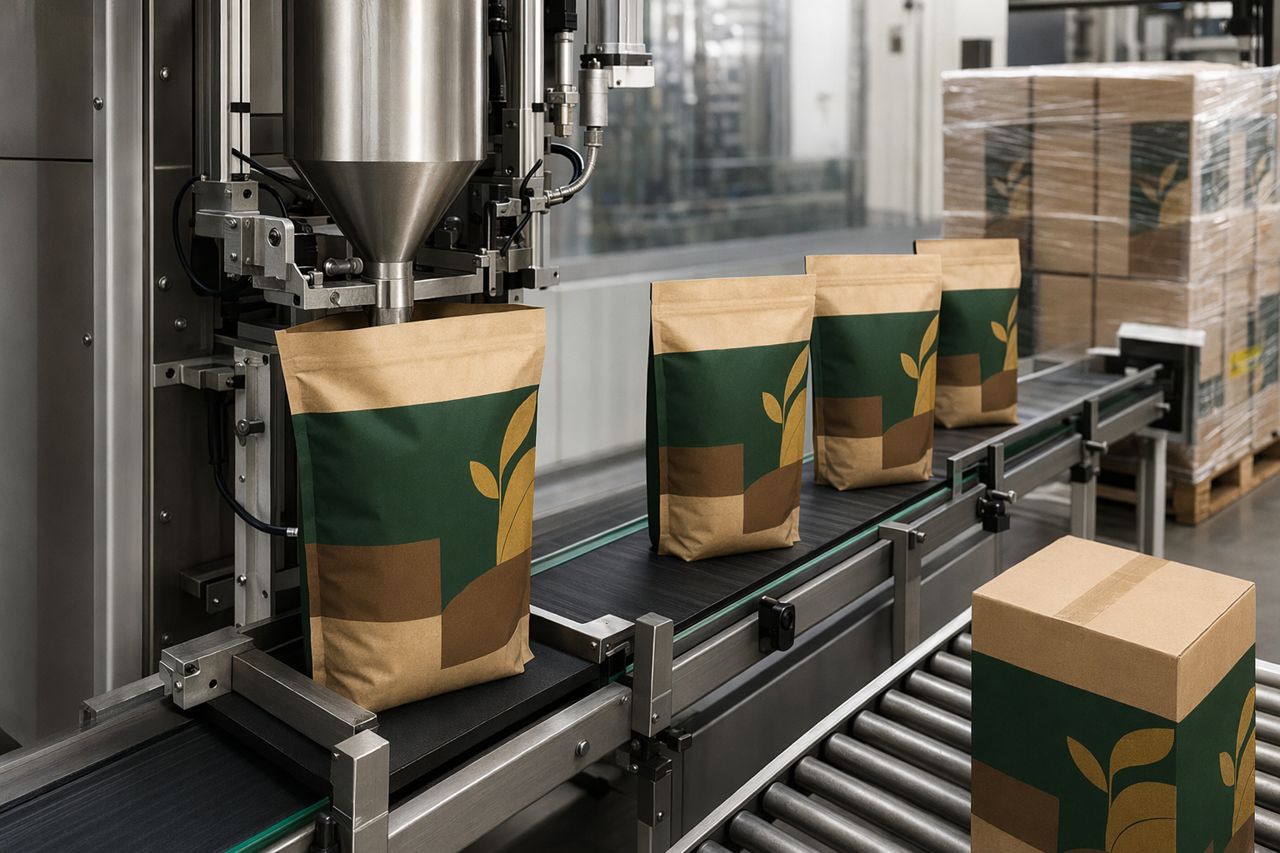
- Moisture and handling: Confirm that blending, drying, and packaging steps do not create viability loss or caking risk.
- Storage statement: Align temperature, humidity, and handling recommendations with what the product can realistically tolerate.
Labels should sell clearly without overpromising
Export labels need to be commercially useful, technically defensible, and easy for distributors to translate into local requirements. A crowded label can create more risk than confidence.
Label elements distributors usually scrutinize
- Product type and intended crop or soil use
- Organism or functional group description
- Carrier and formulation format, such as powder, granule, liquid, or coated carrier
- Application method and timing
- Storage conditions and shelf-life statement
- Batch coding and manufacturing traceability
- Safety, handling, and compatibility notes
- Manufacturer and importer details
Avoid building the label around claims that are difficult to support across long transport routes. A practical claim that survives distributor review is often more valuable than an ambitious claim that triggers repeated documentation requests.
Shelf-life planning is a logistics problem, not just a lab result
A shelf-life statement has to survive the product journey. Export shipments may sit in non-ideal warehouses, face seasonal heat, move through ports, or remain in distributor inventory before the planting window opens.
For living biofertilizer products, shelf-life planning should connect formulation design with logistics reality.
Questions to answer before export quoting
- How long will the finished product stay in your warehouse before dispatch?
- How long is the expected sea, air, or inland transport route?
- Will the distributor store the product in climate-controlled space?
- Is the formulation sensitive to moisture gain, oxygen exposure, compaction, or heat?
- Does the carrier protect organism viability through the expected sales window?
- Can batch records support the shelf-life claim if a distributor asks for evidence?
Enzyme selection can support more predictable substrate preparation and cleaner downstream handling, especially when agricultural inputs vary by season. That can help reduce process noise before the living culture enters the most sensitive formulation steps.
Distributor requirements often reveal hidden production friction
A capable distributor is not only buying product. They are buying confidence that the product will arrive consistently, store reliably, and behave predictably in the field channel they serve.
Expect questions around:
- Batch-to-batch appearance and odor
- Powder flow, granule integrity, or liquid stability
- Sedimentation, clumping, or separation risk
- Packaging strength and closure integrity
- Minimum order quantities and lead times
- Documentation turnaround speed
- Private-label flexibility
- Complaint handling and replacement policy
If those questions expose weak points, treat them as process improvement signals rather than sales obstacles.
Where enzyme supply fits into export readiness
In biofertilizer production, enzymes are not a label decoration. They can be part of the process architecture that makes biological manufacturing more repeatable.
Depending on the substrate and organism system, enzyme-supported steps may help with:
- Breaking down variable plant-based or microbial nutrient inputs into more consistent process streams
- Improving substrate availability before fermentation or culture-support stages
- Reducing viscosity or handling difficulty in certain intermediate materials
- Supporting cleaner separation, blending, or carrier absorption behavior
- Reducing batch variation caused by seasonal raw material shifts
The value is practical: fewer surprises during scale-up, more stable downstream handling, and a stronger basis for shelf-life planning.
A plant-floor export readiness checklist
Use this checklist before sending technical documents to a distributor or committing to a new market launch.
Batch and formulation control
- Batch coding is consistent across production, warehouse, and documentation.
- Raw material variability is understood and managed.
- Enzyme-supported processing steps are defined in the manufacturing workflow.
- Carrier addition order and mixing time are standardized.
- Final product moisture, flow, and pack behavior are monitored.
Viability and shelf-life alignment
- Storage conditions are realistic for the target country.
- Shelf-life claims reflect the intended logistics route.
- Packaging protects against moisture, heat exposure, and physical damage.
- Distributor storage instructions are clear and practical.
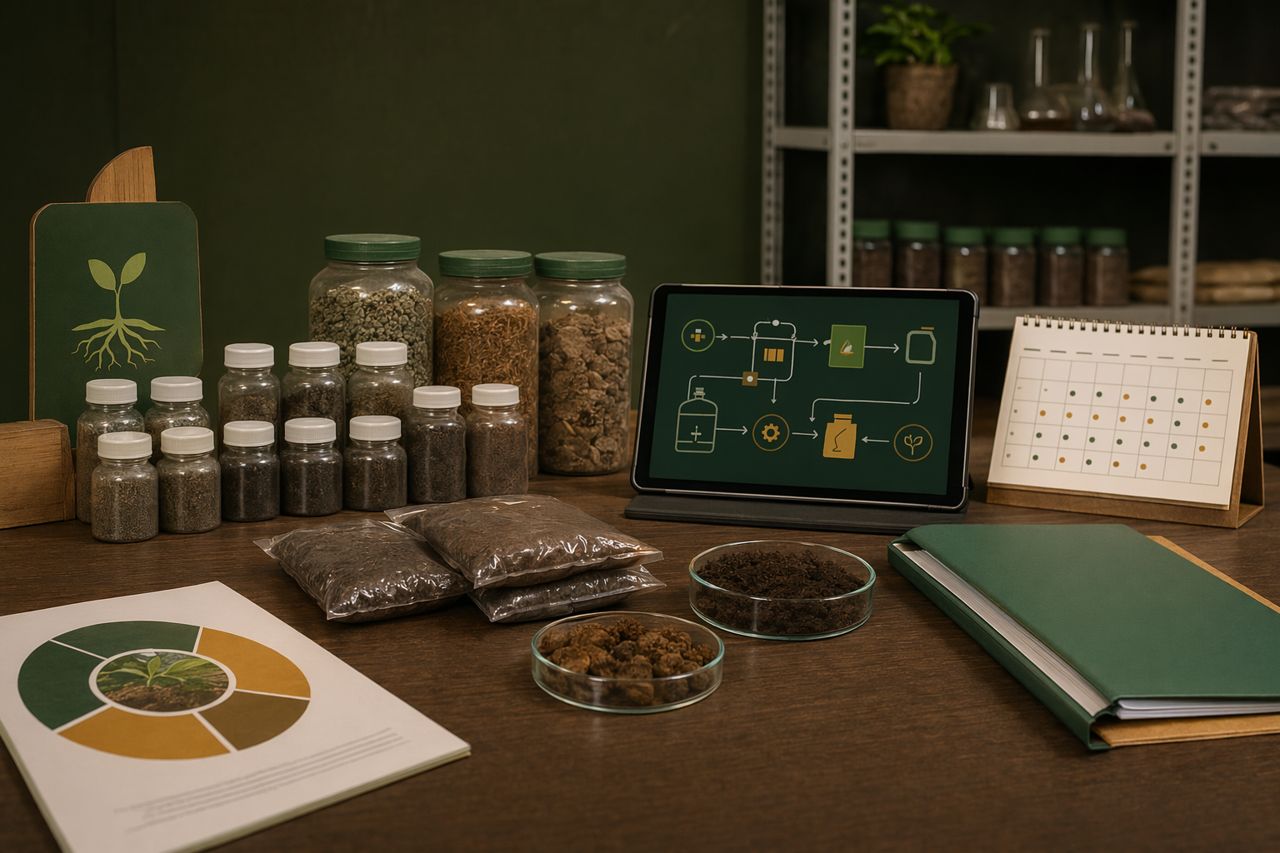
- Retained samples are available for internal review.
Distributor documentation
- Technical data sheet and label draft tell the same product story.
- Safety and handling information is ready.
- Batch traceability is easy to explain.
- Private-label changes do not alter unsupported claims.
- Quote lead times match actual production capacity.
Common export-readiness mistakes
Mistake 1: Treating the label as marketing only
A label is a technical commitment. If it promises a storage window, organism format, or field use pattern, the production system must support that promise.
Mistake 2: Ignoring carrier behavior after transport
A carrier that looks good after packing may still compact, cake, separate, or lose application quality after vibration and humidity exposure.
Mistake 3: Underestimating distributor documentation needs
Distributors need fast answers. If your technical sheet, batch records, and shelf-life plan are not aligned, even a good product can appear risky.
Mistake 4: Choosing inputs without supply continuity
Export programs need repeatability. Enzyme supply should be evaluated not only on formulation fit, but also on availability, lead time, packaging suitability, and technical support.
What Rootwake Bioprocess helps clarify
Rootwake Bioprocess supports biofertilizer manufacturers that want enzyme inputs aligned with real production conditions. We focus on practical fit: substrate type, organism sensitivity, carrier system, batch flow, downstream handling, and supply reliability.
For export-focused manufacturers, that means discussing:
- Your substrate and raw material variability
- Your organism format and viability priorities
- Your carrier and blending sequence
- Your intended shelf-life and storage statement
- Your distributor channel and packaging constraints
- Your required supply rhythm and production calendar
Request a quote for export-ready production planning
If you are preparing a biofertilizer line for distributor review, private-label supply, or cross-border launch, share your current formulation context with our team.
Request a quote and tell us your substrate, organism format, carrier system, target shelf-life, and expected production volume. We will help identify an enzyme supply approach that fits your batches and supports a more reliable export plan.